

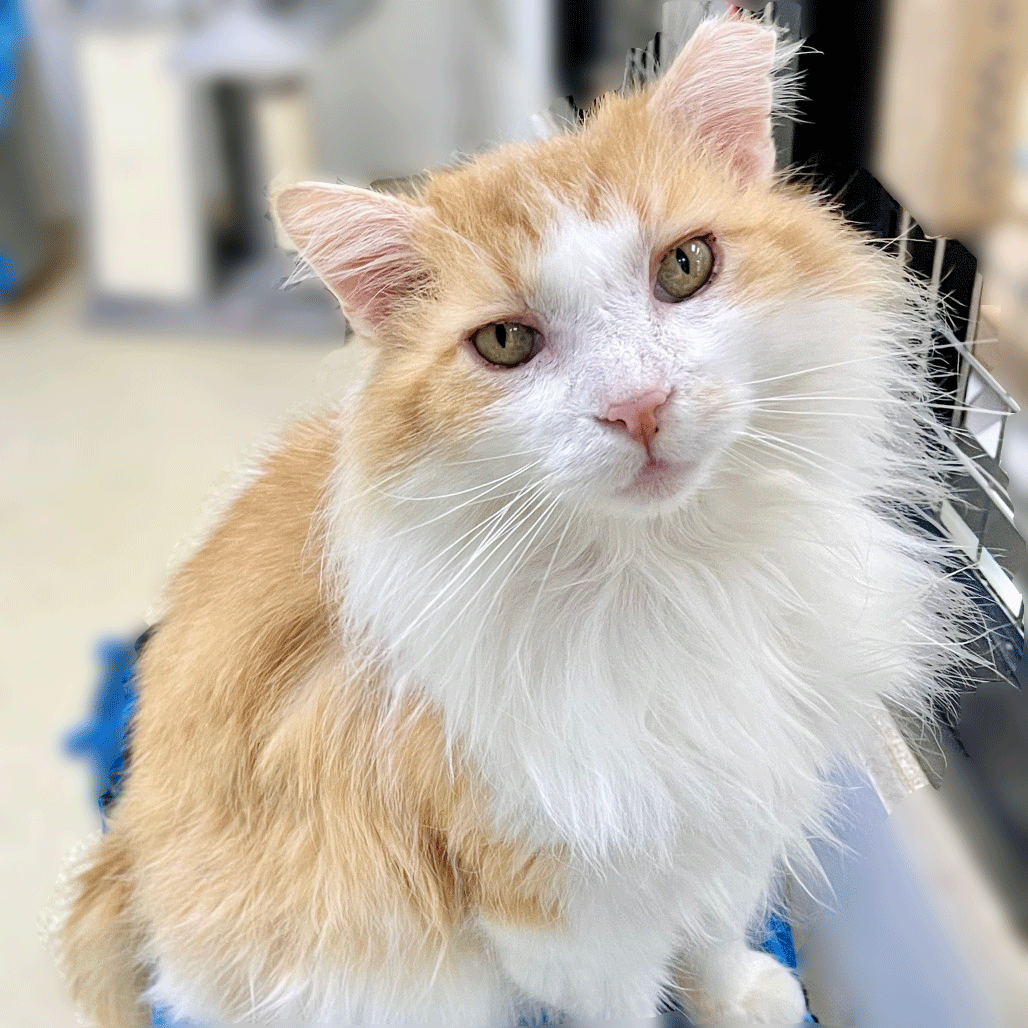
Regular Brushing Brushing your cat daily, or at least several times a week, is one of the most effective preventive measures. This removes loose fur before your cat can ingest it during grooming. Use a brush appropriate for your cat’s coat type – slicker brushes work well for most cats, while long-haired breeds may benefit from a combination of tools including a de-shedding brush and metal comb.
High-Quality Diet with Added Fiber A nutritious diet can significantly impact hairball formation. Look for cat foods that contain natural fiber sources like pumpkin, sweet potato, or beet pulp, which help move hair through the digestive system more efficiently. You can also add a small amount of plain canned pumpkin (not pie filling) to your cat’s food – about a teaspoon for most cats. Some owners find success with adding a pinch of psyllium husk to meals, though you should consult your vet before adding supplements.
Encourage Hydration Proper hydration helps keep the digestive system functioning smoothly and can aid in moving hair through more easily. Ensure fresh water is always available, consider a water fountain if your cat prefers moving water, and incorporate wet food into their diet since it provides additional moisture. Some cats also enjoy ice cubes in their water or flavoring water with a small amount of low-sodium chicken broth.
These methods work best when used consistently together. If hairballs remain frequent despite these efforts, it’s worth consulting your veterinarian to rule out any underlying issues or discuss additional options.