

“Perhaps it is because cats do not live by human patterns, do not fit themselves into prescribed behavior, that they are so united to creative people.”
Andre Norton
Interactive toys like feather wands and laser pointers are excellent for engaging your cat’s hunting instincts. Feather wands allow you to mimic prey movements, while laser pointers provide chase opportunities (just remember to end laser play sessions with a physical toy they can actually “catch”).
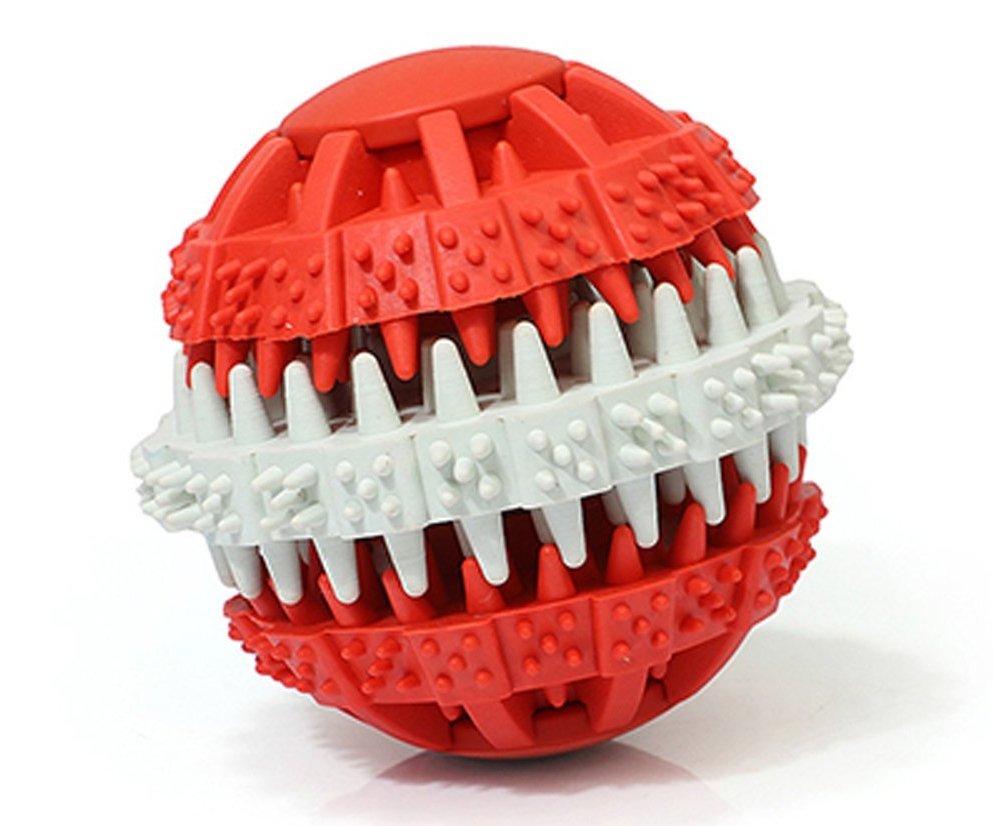
Puzzle feeders and treat-dispensing toys combine play with mealtime, encouraging natural foraging behaviors while slowing down fast eaters. These range from simple balls with holes to more complex puzzle boxes.
Catnip and silvervine toys can provide intense enjoyment for cats that respond to these plants. Not all cats react to catnip, but silvervine affects a broader range of cats. Look for refillable toys so you can refresh the scent.
Simple household items often make the best toys – cardboard boxes, paper bags (handles removed), and crumpled paper balls cost nothing but provide endless entertainment. Many cats prefer the box over expensive toys anyway.
Automated toys like motion-activated mice or rotating feathers can keep solo cats entertained when you’re not around, though they shouldn’t replace interactive play time with you.
Scratching posts with attached toys serve double duty, letting cats scratch while batting at dangling elements.
The key is rotation – put some toys away and bring them back later to maintain novelty. Most cats prefer toys that allow them to stalk, pounce, and “kill” their prey, so anything that moves unpredictably tends to be a hit.
What type of cat do you have, and are there any specific behaviors you’re hoping to encourage through play?