

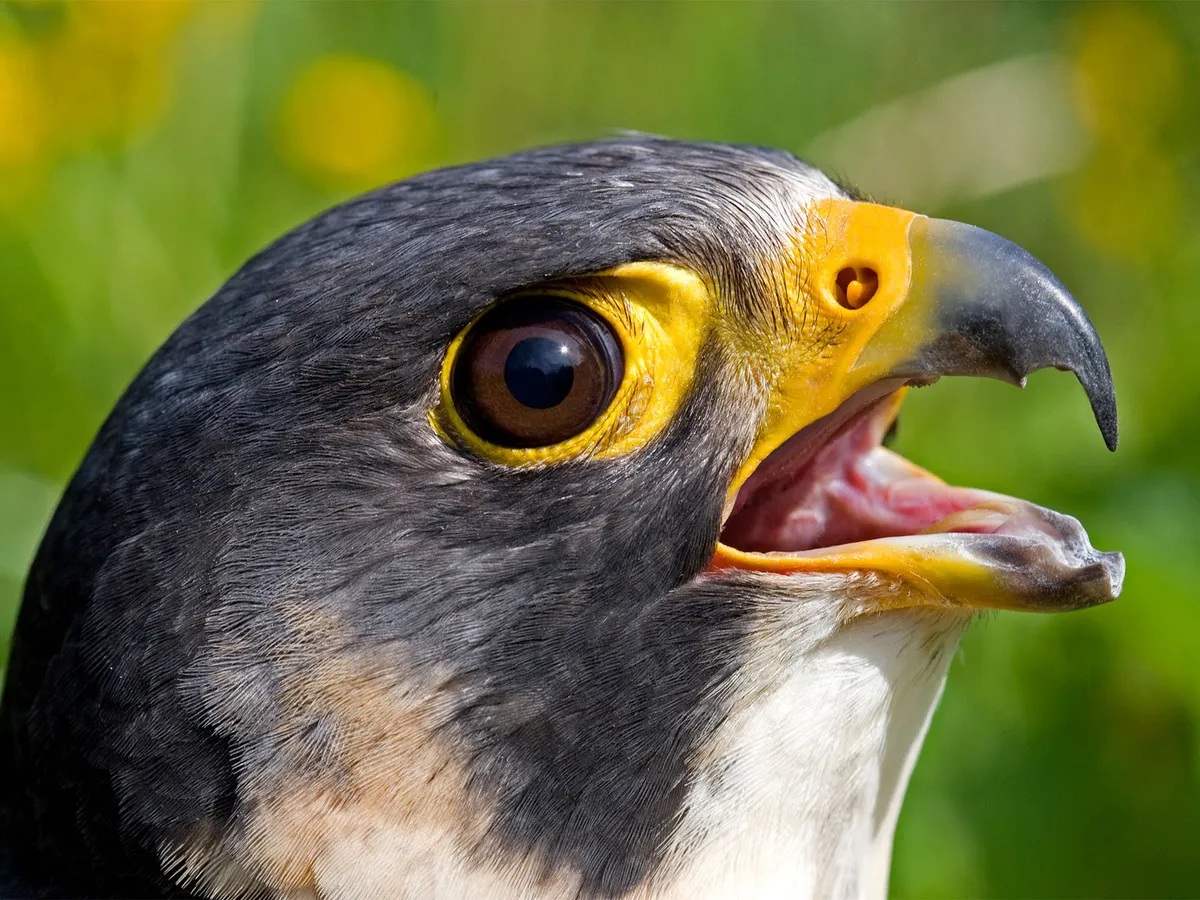
A bird’s beak is one of its most important and versatile tools, serving functions from eating and grooming to communication and defense. Proper beak care is essential for your feathered friend’s overall health and wellbeing.
Understanding Your Bird’s Beak
Bird beaks are made of keratin, the same protein found in human nails and hair. They grow continuously throughout a bird’s life, which means they naturally wear down through daily activities like eating, chewing, and playing. A healthy beak should be smooth, properly aligned, and free from cracks or overgrowth.
Signs of a Healthy Beak
A well-maintained beak typically appears smooth and symmetrical, with both upper and lower mandibles meeting properly when closed. The color should be consistent with your bird species’ normal coloration, and there should be no flaking, peeling, or unusual growths. Your bird should be able to eat, preen, and manipulate objects without difficulty.
Natural Beak Maintenance
Most birds naturally maintain their beaks through regular activities. Providing appropriate toys, perches of varying textures and diameters, and safe chewing materials helps promote natural wear. Cuttlebone, mineral blocks, and wooden toys specifically designed for birds can encourage healthy beak grinding and maintenance behaviors.
When Professional Care is Needed
While minor beak maintenance can occur naturally, some situations require veterinary attention. Overgrown beaks, visible cracks, changes in color or texture, difficulty eating, or asymmetrical growth all warrant professional evaluation. Never attempt to trim your bird’s beak yourself, as this can cause serious injury or stress.
Daily Care Tips
Ensure your bird has access to a variety of textures and materials that encourage natural beak use. Fresh branches from bird-safe trees, appropriate toys that can be safely destroyed, and varied food textures all contribute to beak health. Regular observation of your bird’s eating and preening habits can help you notice any changes early.
Diet and Beak Health
A balanced, species-appropriate diet supports overall beak health. Foods rich in vitamin A, such as orange and dark green vegetables, help maintain healthy keratin production. Avoid giving your bird foods that are too soft exclusively, as harder foods help with natural beak wear.
Remember that each bird species has unique beak care needs, so consult with an avian veterinarian familiar with your specific type of bird for personalized guidance on maintaining optimal beak health.