

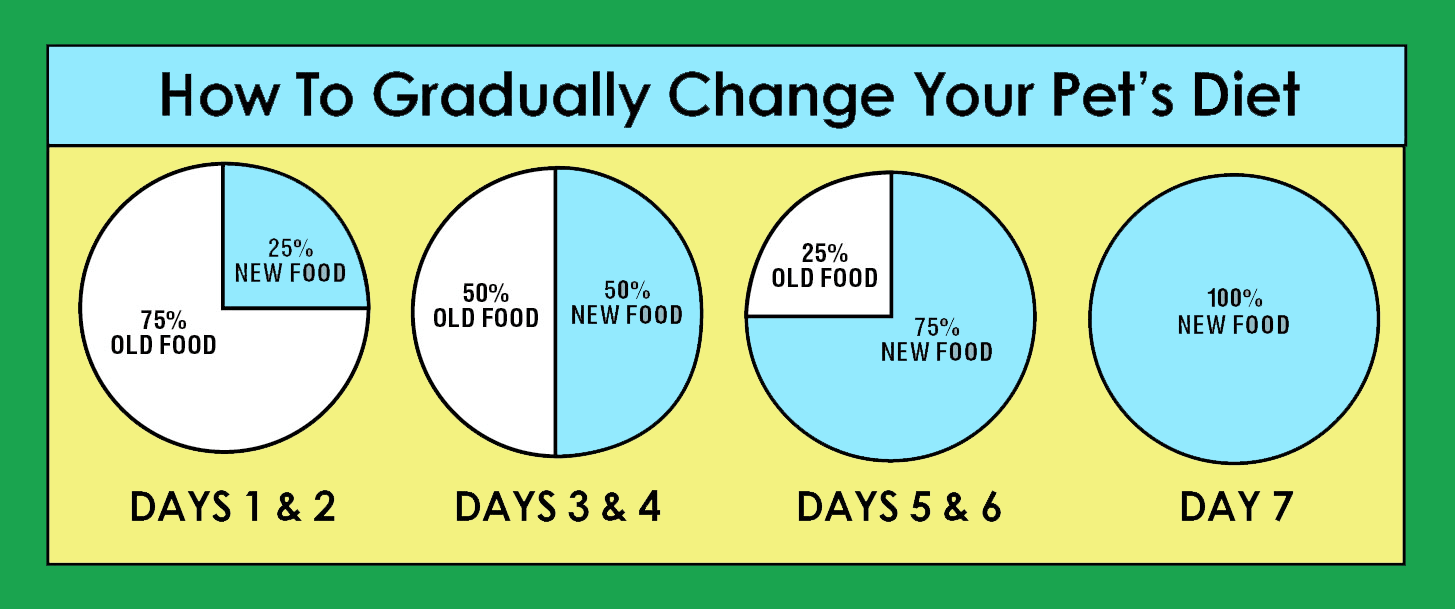
Switching your pet’s food should be done gradually to avoid digestive upset and help your pet adjust to the new diet. Here’s how to do it properly:
The 7-Day Transition Method
Days 1-2: Mix 75% old food with 25% new food Days 3-4: Mix 50% old food with 50% new food
Days 5-6: Mix 25% old food with 75% new food Day 7 and beyond: 100% new food
Why Gradual Transition Matters
Pets have sensitive digestive systems with specific bacterial populations that help process their regular food. A sudden change can cause diarrhea, vomiting, loss of appetite, or stomach upset because their digestive system hasn’t had time to adapt to the new ingredients and nutritional profile.
When to Switch More Slowly
Some pets may need a longer transition period, especially if they have sensitive stomachs, are elderly, or are switching to a very different type of food (like from dry to wet, or to a different protein source). In these cases, extend each phase to 3-4 days instead of 2.
Signs to Watch For
During the transition, monitor your pet for any digestive issues, changes in appetite, or unusual behavior. If you notice persistent problems, slow down the transition or consult your veterinarian.
Special Considerations
For puppies and kittens, the transition can sometimes be done more quickly (3-5 days) since their digestive systems are more adaptable. However, senior pets or those with health conditions may need an even more gradual approach, sometimes taking 2-3 weeks.
The key is patience and observation. Every pet is different, so adjust the timeline based on how well your individual pet is handling the change.
3 Comments
Adam Brown
I found your blog only now and I LOVE it!! Thank you for this great post, I’m definitely going to use some of your ideas!!!
Jessica Brown
Just what I needed, thank you!
Mike Newton
What a nice article. It keeps me reading more and more!